
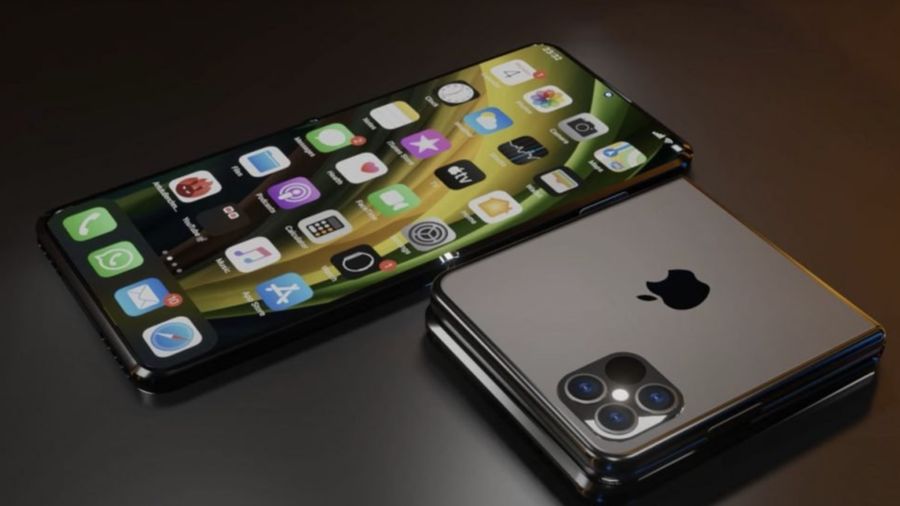
Apple is preparing what could be its most ambitious smartphone yet — a foldable iPhone that reimagines how people interact with mobile devices, merging the versatility of a tablet with the portability of a phone. For years, rumors have teased Apple’s entry into the foldable market. Now, emerging leaks and insider details are painting a much clearer picture of what this foldable iPhone 18 might look like, how it will function, and why it matters to global tech trends in 2026 and beyond.
In this article, we explore everything from rumored design features to anticipated materials, user interface changes, and how this device could reshape the smartphone landscape.
1. Why Apple’s Foldable iPhone Matters
Firstly, Apple stepping into foldable devices is significant because it marks a shift from incremental updates to a fundamental change in mobile form factor. For years, foldable smartphones were dominated by Android manufacturers, particularly Samsung and Google. However, Apple’s version could differ drastically, emphasizing durability, premium design, and seamless performance — characteristics the brand is known for.
Furthermore, consumers have shown growing interest in devices that offer multitasking capabilities, larger displays without sacrificing portability, and versatile usage modes. A foldable iPhone could deliver on all of these fronts, especially if the leaks prove accurate.
2. The Design Insights That Have Surfaced
Book-Style Form Factor
According to multiple rumors and leaks, Apple’s forthcoming foldable device is expected to adopt a book-style form factor, meaning it will unfold like a small tablet. This design mirrors devices such as the Samsung Galaxy Fold, but Apple’s version might set itself apart with subtle nuances in proportions and mechanics.
In this unfolding design:
- The outer display will serve as a conventional phone screen.
- The inner display provides a larger, tablet-like screen, ideal for productivity apps, split-screen multitasking, and immersive media consumption.
This layout prioritizes both everyday usability and enhanced functionality.
Display Size and Quality
Leaks suggest the foldable iPhone’s displays will strike a balance between portability and utility. The outer panel is anticipated to be about 5.5 inches, similar in size to Apple’s smallest regular iPhone models. When unfolded, the inner display could expand to approximately 7.8 inches, comparable to a small tablet.
Additionally, Apple likely aims to maintain excellent visual fidelity with high refresh rates and advanced OLED technology. Rumors also highlight the possibility of an internal display that minimizes the crease effect, a common concern with foldable screens.
🪶 Ultra-Thin Yet Strong Materials
One area where Apple might stand out is in choice of materials. Rumors strongly point to a hybrid titanium-and-aluminum frame, combining strength with light weight. This not only boosts durability but also helps keep the device thin and premium.
Titanium offers excellent rigidity and resistance to bending, while aluminum aids in managing heat and reducing overall weight. Together, they could make the iPhone 18 Fold not only robust but also notably sleek.
Hinge Mechanism and Durability
Another major rumor centers on the hinge design — one of the most complex components in any foldable device. Instead of relying solely on traditional folding mechanisms, Apple could incorporate liquid-metal components within the hinge assembly. These materials are expected to minimize visible creases and improve long-term reliability.
Reducing the crease not only enhances aesthetics but also improves usability, especially for tasks that involve writing, drawing, or viewing content near the fold.
3. Hardware: Chips, Biometric, and OS
A20 Chip and Performance
Performance is central to Apple’s product story, and the foldable model is no exception. According to analysts, the iPhone 18 Fold — along with the rest of the iPhone 18 lineup — may use Apple’s next-generation A20 chip, built on a 2nm process. This would offer significant performance and power-efficiency improvements compared to previous models.
In addition, Apple could integrate Wafer-Level Multi-Chip Module (WMCM) packaging, further enhancing speed and thermal performance while reducing internal space usage.
Biometric Approach: Touch ID Instead of Face ID
Interestingly, several reports indicate that the foldable iPhone might not include Face ID. Instead, Apple could pivot back to Touch ID embedded in the power button. This could be due to space constraints caused by the foldable display structure.
While this seems like a step back in terms of identification technology, it might actually benefit users by:
- Simplifying usability across folded and unfolded states.
- Ensuring consistent performance in different lighting conditions.
- Reducing mechanical complexity inside the device.
Software Adaptations: iOS 27 Features
Apple isn’t just redesigning hardware — it’s also adapting software to match. Rumors suggest that iOS 27 will include new features tailored for foldable screens, such as improved multitasking, custom layouts, and optimized app experiences.
These enhancements could turn the foldable iPhone into a productivity powerhouse that caters both to creative users and professionals seeking more from their mobile devices.
4. Expected Price and Positioning
Predicting the price of a device Apple hasn’t announced is tricky, but early estimates suggest a premium price tag well above Apple’s traditional models. Some analysts say the foldable iPhone could easily exceed $1,800–$2,500 depending on configuration and regional pricing.
This pricing places it in direct competition with top-tier foldables like the Samsung Galaxy Z Fold series, while emphasizing Apple’s position in the luxury tech segment.
5. Release Date and Availability
Leaks consistently point to a 2026 launch, most likely aligned with Apple’s usual September product cycle. However, some reports mention the possibility of a delayed rollout into early 2027 due to challenges in finalizing hinge mechanisms and display production.
Even if the launch happens later, Apple appears committed to refining the device until it meets its high standards for performance and durability.
6. What This Means for the Market
Apple’s entrance into foldable smartphones has broader implications for the entire mobile market. First, it suggests that foldables are no longer a niche product — they’re becoming mainstream enough that even Apple can’t ignore them. Additionally:
- Competitors may accelerate innovations in foldable durability and software optimization.
- App developers could create tailored experiences that leverage larger interactive surfaces.
- Consumers will have more choice, blending phone and tablet experiences into one device.
Whether Apple’s strategy pays off commercially remains to be seen, but investors and tech enthusiasts alike are watching closely as the narrative unfolds.
Conclusion: A New Chapter for iPhone
In summary, a foldable iPhone represents a new era of innovation for the world’s most valuable tech company. From premium materials and cutting-edge performance, to reimagined user experiences and foldable-optimized software, this device could redefine expectations for mobile technology.
Moreover, rumors of advanced display technology, unique hinge design, and high-end components highlight Apple’s intention to make a standout product rather than simply copying what’s already on the market.
As leaks continue to surface, we expect even more detailed insights before the official launch — and when that day comes, enthusiasts and critics alike will be paying close attention to how Apple’s bold design choices perform in the real world.
About the Author